Residential Demolition · Walnut Creek, CA
Residential Demolition
Planning and controlled removal for homes, additions, and backyard structures, scoped around the parts of the property you are keeping.
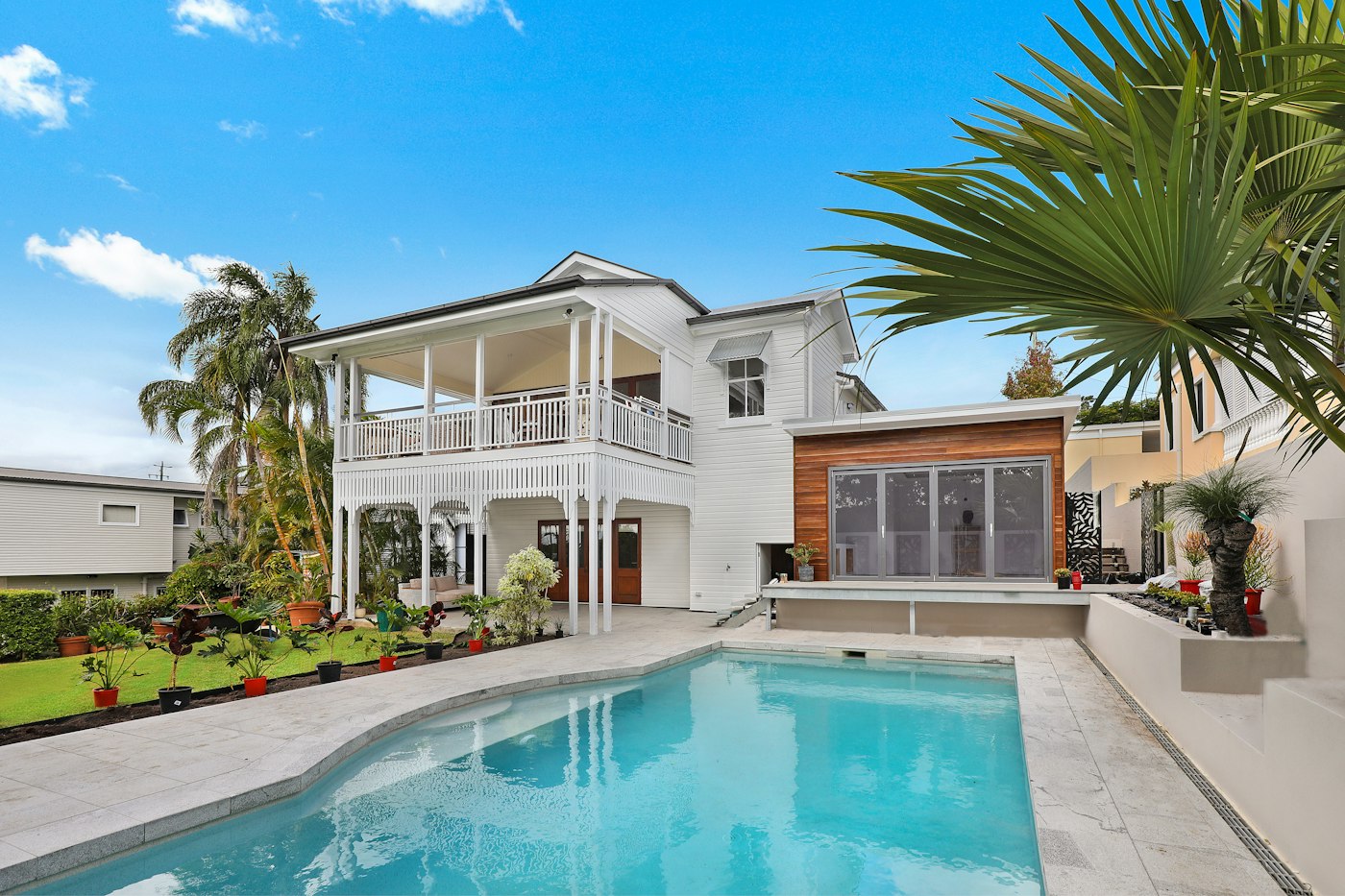
What this service means
Understanding residential demolition
Residential demolition covers the removal of all or part of a home or the structures around it, from a single room addition to a full backyard cottage, in preparation for a remodel, a rebuild, or a property sale. Most residential projects in Walnut Creek involve an owner who wants to keep the lot, the driveway, mature landscaping, or a portion of the existing structure while clearing everything else for new construction.
Because residential lots are close to neighboring properties, fences, and utility lines, the work depends on accurate scoping before equipment ever arrives. East Bay Demolition treats residential demolition as a planning-led service: confirming what stays, what goes, how the site will be accessed, and how the finished condition should look before the first wall comes down.
Buyer fit
Who this service is built for
These are the most common situations where this scope applies.
Remodel or addition prep
Removing a room, sunroom, garage conversion, or rear addition ahead of a rebuild while the rest of the home remains occupied or intact.
Backyard structure removal
Sheds, playhouses, greenhouses, or old accessory structures that need to come down before landscaping or a new build.
Full property teardown prep
Owners preparing a lot for a new home who want the existing structure evaluated for a complete residential demolition scope.
Pre-sale or inspection issues
Removing a structure flagged in an inspection report or a fire- or water-damaged section that a buyer or lender requires addressed.
When another service may fit better
- House Demolition — Choose this page when the entire home is coming down to grade rather than a partial or room-level scope.
- Interior Demolition — Choose this when only interior finishes, walls, kitchens, or bathrooms are being removed and the exterior envelope stays.
- Garage Demolition — Choose this when the scope is limited to a detached or attached garage rather than the main residence.
Scope
Included, optional, and excluded work
A clear scope avoids surprises once work begins.
Included
- Site walkthrough and structure assessment before scoping
- Protection of neighboring fences, driveways, and landscaping within the work area
- Controlled removal of the identified structure or portion of the structure
- Separation of debris for hauling and appropriate processing
- Grading of the cleared footprint to a walkable, safe condition
Optional add-ons
- Concrete slab or foundation removal beneath the structure
- Tree or shrub removal directly within the work footprint
- Temporary fencing or extended site security during a longer project
- Coordination support for permit application documentation
Excluded
- Utility disconnection with the utility provider or a licensed trade, arranged separately by the owner
- Hazardous material testing and abatement, which requires a qualified specialist if suspect materials are found
- New construction, grading for foundations, or landscaping installation
Estimate checklist
Information we use to scope your project
Having these details ready speeds up an accurate estimate.
- Age of the structure and known building materials
- Property lines and proximity to neighboring structures or fences
- Access width for equipment along driveways or side yards
- Utility status: whether gas, water, and electrical are still connected
- Whether any portion of the home will remain occupied during work
- Photos or a simple sketch of the structure and surrounding features
Delivery process
How the project moves from inquiry to handoff
- 1
Initial inquiry and photos
You describe the structure and share photos or a general sketch so the scope can be reviewed before a site visit.
- 2
Site walkthrough
A walkthrough confirms structure condition, access points, protection needs, and what stays versus what is removed.
- 3
Scope and proposal
You receive a written scope describing included work, exclusions, and the information used to prepare it.
- 4
Preparation
Utility coordination, protective barriers, and any permit-related steps are confirmed before equipment mobilizes.
- 5
Controlled removal
The structure is removed in a sequence that protects retained elements and manages dust and debris.
- 6
Site review and handoff
The cleared area is graded to a safe walking condition and reviewed against the agreed scope before handoff.
Safety & access
Protecting the site, neighbors, and surrounding conditions
- Protective barriers placed along shared fence lines and neighboring structures
- Marked exclusion zones around active equipment during removal
- Confirmation that utilities are disconnected or isolated before work begins in that area
- Dust and debris management appropriate to a residential neighborhood setting
Debris & final condition
What happens to material, and what the site looks like after
Debris generated during residential demolition is separated where practical into general categories such as wood framing, concrete, and mixed material before it leaves the site.
Where a registered transporter or approved processing facility applies to the project under current Contra Costa County or RecycleSmart guidance, materials are routed accordingly rather than sent to a single disposal stream by default.
The finished condition is a cleared, graded footprint free of loose debris, ready for the next phase, whether that is a construction crew, a landscaper, or a period of vacancy before further work.
Cost & schedule factors
What influences price and timeline
Every project is scoped individually. These are the variables that matter most.
- Size and number of structures or rooms included in the scope
- Construction materials, including whether older or reinforced assemblies are present
- Access limitations such as narrow side yards or a lack of driveway clearance
- Utility disconnection status at the time work is scheduled
- Whether foundation or slab removal is included in addition to the structure above grade
- Debris volume and the applicable disposal or recycling routing for the project
Quality & acceptance
How we confirm the work matches the scope
- Confirm the removed footprint matches the agreed scope drawing or description
- Inspect neighboring fences, hardscape, and landscaping for protection compliance
- Verify the site is graded to a safe, walkable condition with no exposed hazards
- Confirm debris has been cleared from the property per the agreed scope
- Review any remaining foundation, slab, or utility stub conditions with the owner
Decision tool
Partial residential removal vs. full house demolition
| Factor | Partial residential removal | Full house demolition |
|---|---|---|
| Typical driver | Remodel, addition, or damaged section | Full teardown for a new build |
| Retained structure | Most of the home remains standing | Entire structure removed to grade |
| Utility handling | Isolated to affected area only | Full disconnection across the property |
| Site condition after | Adjacent rooms remain usable | Cleared lot ready for excavation or grading |
FAQs
Residential Demolition questions
Can part of my house be removed while the rest stays livable?
In many cases yes, provided the removal area can be structurally and safely isolated from the occupied portion. This is confirmed during the site walkthrough, not assumed in advance.
Do you handle the permit for residential demolition?
Permit requirements depend on the scope and the City of Walnut Creek's current process. We can support documentation, but the owner or their design professional typically holds the permit relationship.
What happens to my landscaping near the work area?
Landscaping inside the marked work footprint is typically part of the scope discussion. Anything outside that footprint is protected with barriers during the project.
How is debris removed from a residential lot?
Debris is loaded and hauled from the property, with materials separated where practical for recycling or approved processing consistent with current local requirements.
Is asbestos testing part of a standard residential scope?
No. If suspect materials such as older flooring, siding, or insulation are present, testing and any required abatement are handled by a qualified specialist before demolition proceeds in that area.
Related services
Services often paired with this scope
Next step
Ready to discuss your residential demolition project?
Send a few details about the property and scope. We will follow up to talk through next steps.
Not sure which service fits your project?
Our services hub compares every scope so you can find the right fit before reaching out.